


Glass or Aluminium? Choosing the Right Pool Fence
January 27, 2026

Choosing between glass and aluminium pool fencing comes down to how you want your pool area to look, function and age. Both options meet safety and compliance requirements, but they deliver very different outcomes in cost, maintenance, views and long-term value.
This guide is for homeowners, builders and property investors across Lake Macquarie and Newcastle who are planning a new pool or upgrading an existing one and weighing up aluminium fencing versus glass fencing in Newcastle and surrounding areas. Your pool fence isn’t just a compliance item; it affects safety, resale value, ongoing maintenance and how much you actually enjoy your outdoor space. In coastal and sloping blocks, the wrong choice can mean higher upkeep, compromised views or unnecessary costs down the line.
With our experts here at Lake Macquarie Fencing, this article breaks down the real-world differences between glass and aluminium pool fencing, including safety and Australian standards compliance, performance in local coastal conditions, installation and maintenance costs, impact on views and privacy and suitability for different property types, so you can choose the option that genuinely fits your home and lifestyle.
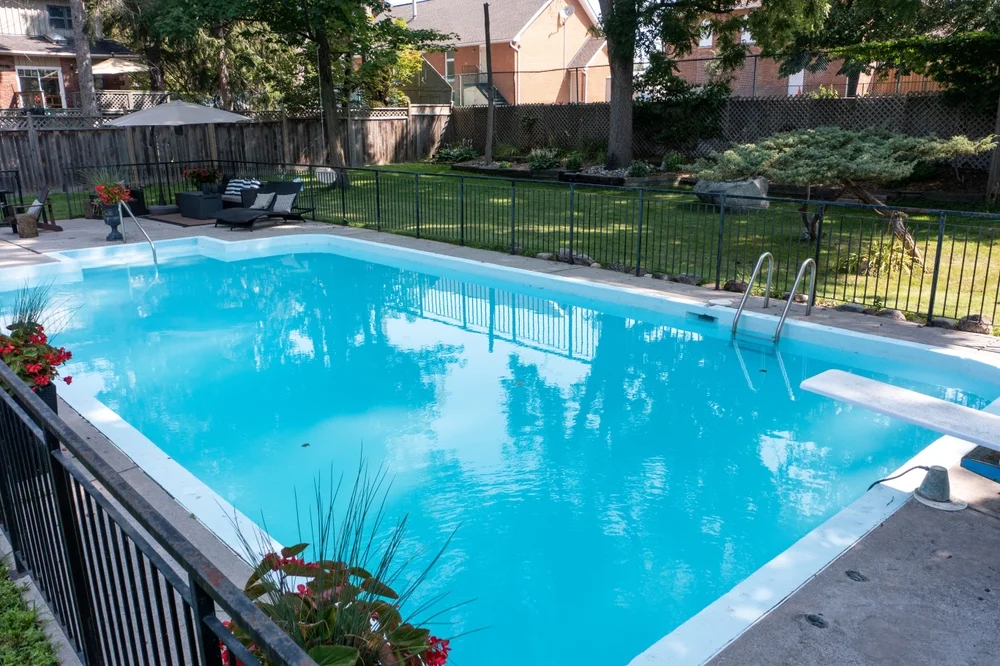
When comparing pool fencing options, material performance and visual impact are closely linked. The fence must withstand constant exposure to sun, moisture and movement while still contributing positively to the overall look of the pool area. Understanding how each option behaves is essential to making a practical and long-lasting choice.
Beyond durability, pool fencing plays a role in how open, spacious or enclosed an outdoor area feels. The choice of material influences sightlines, light flow and how seamlessly the pool integrates with surrounding landscaping and architecture. Some fencing solutions prioritise minimal visual obstruction, while others offer stronger visual boundaries and contrast. Evaluating performance and appearance together helps ensure the fence supports safety and compliance without compromising the overall design of the space.
When helping homeowners select fencing, the decision usually comes down to balancing strength, visual appeal and privacy. Different materials perform better in different combinations, and the right choice depends on how the space is used day to day and how much maintenance is acceptable over time. Coastal exposure, wind loads and boundary conditions all influence which materials hold up best long term. A fence that looks good on day one must also remain structurally sound and visually consistent years down the track.
Solid fencing options such as Colorbond steel provide the highest levels of strength and privacy, with interlocking panels that create a continuous barrier and withstand harsh coastal conditions. Timber fencing offers a warmer, more natural appearance and can deliver full privacy, but it requires regular upkeep to manage moisture, UV exposure and pests. Aluminium fencing sits between these extremes, offering strong corrosion resistance and a refined, architectural look, though typically with more openness and less visual screening unless designed with tighter spacing.
Beyond initial appearance, fencing materials differ in how they age and what they demand. Ongoing maintenance requirements should be considered just as carefully as upfront cost, especially in coastal environments where corrosion, fading and movement are common. A low-maintenance option can reduce long-term expenses and preserve visual appeal with minimal effort. Choosing the wrong material can result in premature wear or frequent repairs.
Powder-coated aluminium and Colorbond steel generally offer the lowest maintenance demands, requiring only periodic cleaning to maintain their finish. Timber fencing delivers a strong visual character but needs regular staining or painting to prevent weathering and degradation. Understanding these long-term expectations helps ensure the fence continues to complement the property rather than becoming a maintenance burden or detracting from the overall outdoor design.
When comparing pool fencing options, cost should always be assessed alongside installation complexity and long-term performance. Upfront pricing can vary depending on materials, site conditions and design requirements, particularly on sloping or irregular blocks. Installation quality plays a role in compliance, safety and how well the fence performs. A lower initial quote does not always translate to better value.
From an installation perspective, factors such as ground preparation, core drilling, drainage and boundary alignment all influence cost and timeline. Glass and aluminium fencing systems require different fixing methods, tolerances and hardware, which can affect labour requirements and future adjustability. Understanding these variables early helps avoid unexpected costs and delays during construction. Careful planning ensures the fence meets standards while fitting the site and budget without compromise.
Cost is usually the first consideration when comparing glass and aluminium pool fencing, but upfront pricing rarely tells the full story. Glass fencing typically sits in a higher price bracket due to thicker toughened panels, specialised hardware and more precise installation requirements. Labour costs are also higher, as glass systems demand careful measuring, accurate ground preparation and strict compliance with pool safety gap tolerances. These factors combine to make glass a premium initial investment.
Where glass begins to justify its cost is in perceived long-term value. Frameless and semi-frameless glass fencing is often viewed as a premium feature, particularly where water views or landscaped yards are involved. Aluminium fencing delivers value differently, offering lower upfront costs, predictable performance and excellent durability when properly powder coated. For larger pool areas or budget-conscious projects, aluminium often represents the more practical and cost-effective choice over time.
From an installation standpoint, aluminium fencing is generally quicker and more adaptable. Lightweight panels, modular designs and standardised sizing allow for efficient installation, even on sloping blocks or sites with restricted access. This flexibility can reduce labour time and site disruption, which helps control overall project costs. Aluminium systems are also easier to adjust during installation if ground conditions vary.
Ongoing maintenance differs between the two materials, even though both are considered low-maintenance options:
Choosing between them often comes down to whether lower cleaning frequency or visual clarity is the higher priority.
Around Lake Macquarie, sloping blocks, reactive soils and coastal exposure require careful planning to ensure fences remain compliant and structurally sound. Aluminium fencing systems often handle changes in ground level more easily through stepped or raked panel options. This makes them well suited to uneven terrain.
Glass fencing can also be installed successfully on challenging sites, but it requires more detailed ground preparation and precise setting out. Core drilling depths, drainage considerations and alignment tolerances must be managed carefully to maintain legal gaps and structural integrity. On coastal sites, material selection and fixings are important to protect against corrosion and long-term movement. Addressing these challenges early helps avoid delays, rework and unexpected costs during installation.
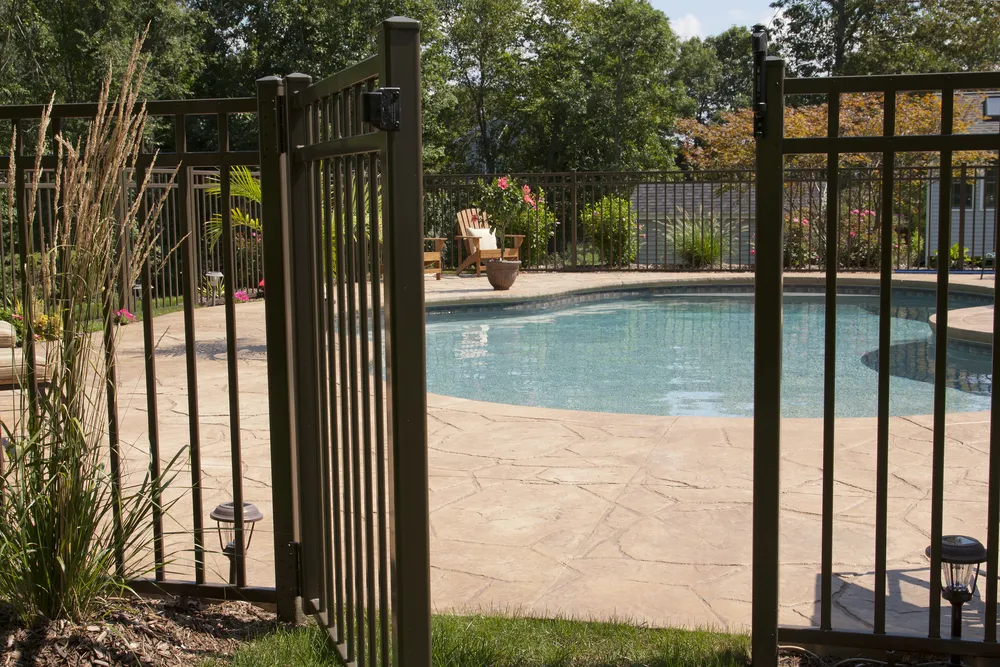
Safety and compliance are the non-negotiable foundations of any pool fencing project. Every fence must meet regulations to ensure children and visitors are properly protected. Design choices, installation methods and material selection all have a role in whether a fence remains compliant long after installation. Cutting corners in this area can lead to serious safety risks and costly rectification work.
Local conditions add an extra layer of consideration. Coastal exposure, sloping blocks and varied property layouts mean fencing systems must be chosen and installed with site-specific factors in mind. A solution that performs well on a flat suburban block may not be suitable for a waterfront or elevated property. Addressing these local needs early helps ensure the fence delivers lasting safety, durability and peace of mind.
Child safety is always the starting point when designing and installing pool fencing. While both glass and aluminium systems can comply with the NSW Swimming Pools Act and Australian standards, they behave differently once installed in real family backyards. Compliance on paper is only the baseline; the fence must continue to perform safely when children interact with it daily. Design decisions directly influence how well a fence discourages climbing and unauthorised access.
Glass fencing provides a smooth, uninterrupted surface with no footholds, making it naturally difficult to climb when installed correctly. Aluminium fencing can offer the same level of safety, but only when vertical designs are used and horizontal elements are avoided. Maintaining compliant non-climbable zones requires careful planning around nearby structures such as retaining walls, furniture or raised garden beds.
Salt air, wind and moisture place constant stress on materials, making durability just as important as appearance. Choosing the right materials and finishes from the outset helps reduce corrosion, maintenance and premature wear. A fence that performs well inland may not hold up the same way near the coast.
Powder-coated aluminium fencing performs reliably in coastal environments when quality coatings, sealed cut edges and corrosion-resistant fixings are used. Glass panels themselves are unaffected by rust, but the long-term performance depends heavily on the grade of spigots, hinges and fasteners selected. Wind exposure must also be considered, as glass panels carry higher wind loads than tubular aluminium designs. In exposed locations, spacing, fixings or hybrid layouts may be adjusted to ensure structural stability without compromising compliance.
Local council requirements, inspection processes and ongoing homeowner responsibilities are also important. A fence that is installed correctly must remain compliant, particularly when landscaping, structures or property use changes. Overlooking these factors can result in failed inspections or safety risks.
Proper installation includes ensuring correct gate operation, latch height, clear non-climbable zones and compliant ground clearances. Regular self-checks and prompt maintenance help prevent small issues from becoming compliance failures. Councils assess fences based on real-world conditions, not just original installation drawings. Planning with long-term compliance in mind ensures the fence continues to protect occupants and meet legal requirements year after year.
Choosing between glass and aluminium pool fencing comes down to how you use your outdoor space, the look you want to achieve and the level of maintenance you’re comfortable with. Glass fencing offers a premium, open feel that enhances views and presentation, while aluminium delivers a durable, cost-effective solution that performs exceptionally well in coastal conditions. Both options can fully meet standards when designed and installed correctly, and both can be tailored to suit a wide range of property styles. For clear guidance tailored to your site, lifestyle and budget, we here at Lake Macquarie Fencing can help you choose a pool fencing solution that keeps your family safe and complements your home for years.