


Understanding Pool Fencing Regulations: A Newcastle Guide
November 25, 2025

Owning a pool in Newcastle comes with the responsibility of keeping family, visitors and neighbours safe. Whether you’re installing a new pool or upgrading an old fence, understanding the region’s regulations helps prevent costly compliance issues. And more importantly, reduces the risk of accidents. At Lake Macquarie Fencing, we often meet homeowners who are surprised by the number of small compliance details that affect measurements, materials and gate performance.
This guide breaks down the essentials in a clear, homeowner-friendly way so you can stay compliant, avoid frustration during inspections and build a safer pool environment for everyone.
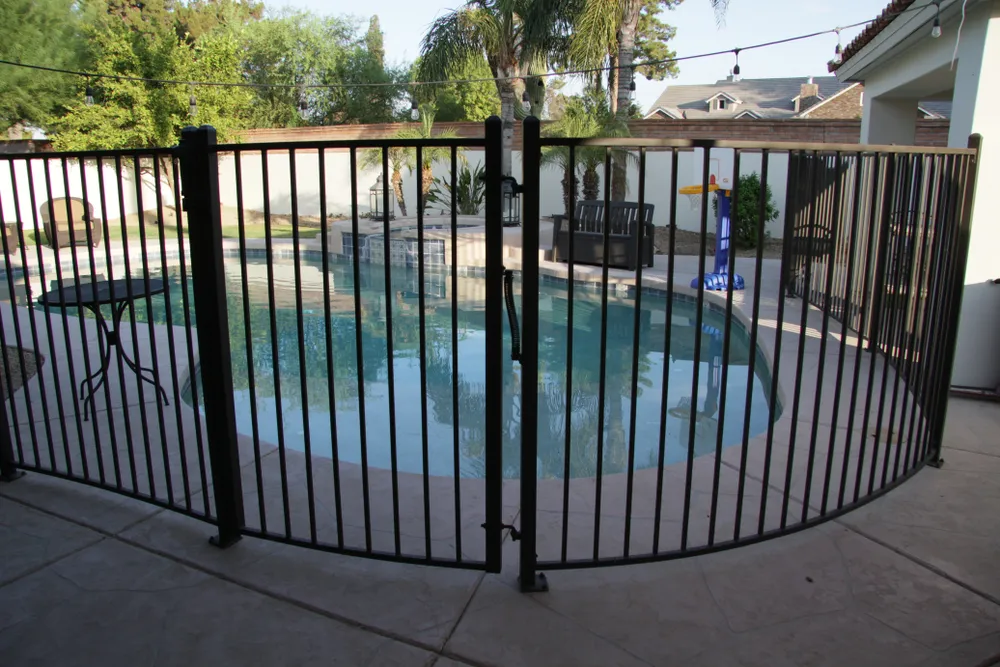
Pool fencing regulations in Newcastle aren’t just bureaucratic requirements; they exist to protect lives, reduce liability and create a secure outdoor environment. Many homeowners don’t realise how quickly accidents can happen, especially in busy households or neighbourhoods with young children. Understanding why these laws exist gives you the clarity and motivation to design a pool area that’s not only stylish but also secure and legally compliant.
Safety concerns tend to increase during summer when children are most active, gatherings are frequent and backyard pools become the centrepiece of family life. This section explains the most common risks that pool fencing laws aim to reduce, helping homeowners appreciate the importance of strong, rule-compliant barriers.
Many homeowners underestimate how pool-related liability can be. Inspectors take these rules seriously, and missing even one requirement can lead to extra costs or delays. Knowing what you’re responsible for helps you avoid surprises and keeps your pool area safe and compliant. You have different responsibilities, and they include the following:
Beyond compliance, pool fencing is one of the most effective passive safety systems available. This section highlights how properly designed fences significantly lower drowning risks and improve overall household safety. Here is what effective fencing provides:
Newcastle follows NSW pool safety regulations, but understanding how these rules translate into everyday requirements can be overwhelming. Whether you're installing a brand-new fence or bringing older fences up to today’s safety expectations, it helps to clarify what the rules look like in practical terms. Here, we cover the specific measurements, materials and structural requirements homeowners must meet to pass council inspections.
When it comes to pool safety compliance, the physical measurements of your fence are one of the first and most critical things inspectors look at. These measurements are designed to eliminate the most common ways children access pools: climbing, squeezing through gaps or entering through faulty gates. Precise measurements help ensure your fence performs as intended and meets all safety standards. By understanding these mandatory heights, spacing rules and gate requirements, homeowners can ensure their fencing is safe, compliant and ready for approval the first time.
Choosing the right fencing materials is just as important as getting the measurements correct. Newcastle’s coastal conditions, weather fluctuations and exposure to moisture can impact the long-term durability of your pool fence. Inspectors also pay close attention to the materials you choose. In coastal areas, salt air and moisture can damage certain types of fencing quickly. Choosing durable materials means your fence passes inspection and holds up well over the years without constant repairs.
Approved materials include:
Inspectors also check:
Even perfectly measured and well-built fences can fail inspection if the surrounding area creates climbable opportunities. Children are naturally resourceful and can use nearby objects, sometimes unintentionally placed by homeowners, to scale a fence without much effort. That’s why inspectors check the space around your fence, not just the fence itself. Kids are clever and can turn almost anything into a step, so keeping the area clear makes a huge difference in keeping your pool safe. Understanding how to maintain this clear zone and what counts as a climbable object helps prevent surprise compliance issues and ensures your pool barrier functions as intended.
Getting council approval can feel overwhelming for first-time pool owners. Newcastle’s inspection process is thorough, and even small oversights can delay certification. Understanding the approval process helps you prepare properly and avoid extra site visits from inspectors. This walks you through the major steps and highlights common mistakes to avoid.
Even with the best intentions, many homeowners run into delays because they aren’t aware of how thoroughly inspectors check every component of the barrier. What seems like a quick installation often becomes a back-and-forth process once inspectors identify non-compliant measurements, faulty gate hardware or climbable hazards created during landscaping. These can delay your approval by days or even weeks, impacting when you can safely open your pool to family and visitors.
Common pitfalls:
Avoid delays by:
Getting your pool fence approved isn’t as complicated as many homeowners expect. Once you know what happens at each stage, you can prepare your site properly and avoid repeat inspections. Many find the process far easier once they understand what inspectors are looking for, how long each stage takes and which issues typically cause re-inspections.
Navigating pool fencing regulations on your own can be overwhelming, especially when every small detail can impact your compliance outcome. Experienced installers know exactly what inspectors look for and can spot problems before they turn into headaches. They also make sure everything is set up properly from the start, saving you time and stress. Their practical knowledge helps you avoid costly mistakes, reduces the risk of failed inspections and provides long-term guidance for maintaining a safe and compliant pool area.
Pool fencing regulations exist for one reason: to keep people safe. When you know what inspectors expect, it becomes much easier to keep your pool area fully compliant. And with the help of experienced local installers, you can navigate the whole process with confidence. If you’re planning a new fence or upgrading an existing one, now is the perfect time to ensure your pool area meets every safety standard. Reach out to us here at Lake Macquarie Fencing for expert guidance, compliant installations and reliable support throughout the approval process.