


Frameless Glass Pool Fencing: Trends and Safety Insights
January 13, 2026

In Australia, a backyard pool is one of the best parts of home ownership. It’s where we cool off in summer, entertain friends and spend quality time with family. But along with the lifestyle benefits comes a serious responsibility: making sure the pool area is safe, secure and compliant.
At Lake Macquarie Fencing, we’ve worked with homeowners across Newcastle and surrounding suburbs who want their pool fencing to do two things at once: protect their family and look great. Frameless glass pool fencing in Newcastle has become one of the most popular choices because it blends modern design with strong safety performance when it’s installed properly and maintained correctly.
In this guide, we’ll walk through the most current design trends, explain key safety and compliance requirements in NSW and share practical advice for keeping your glass fence looking premium in both coastal and suburban environments.
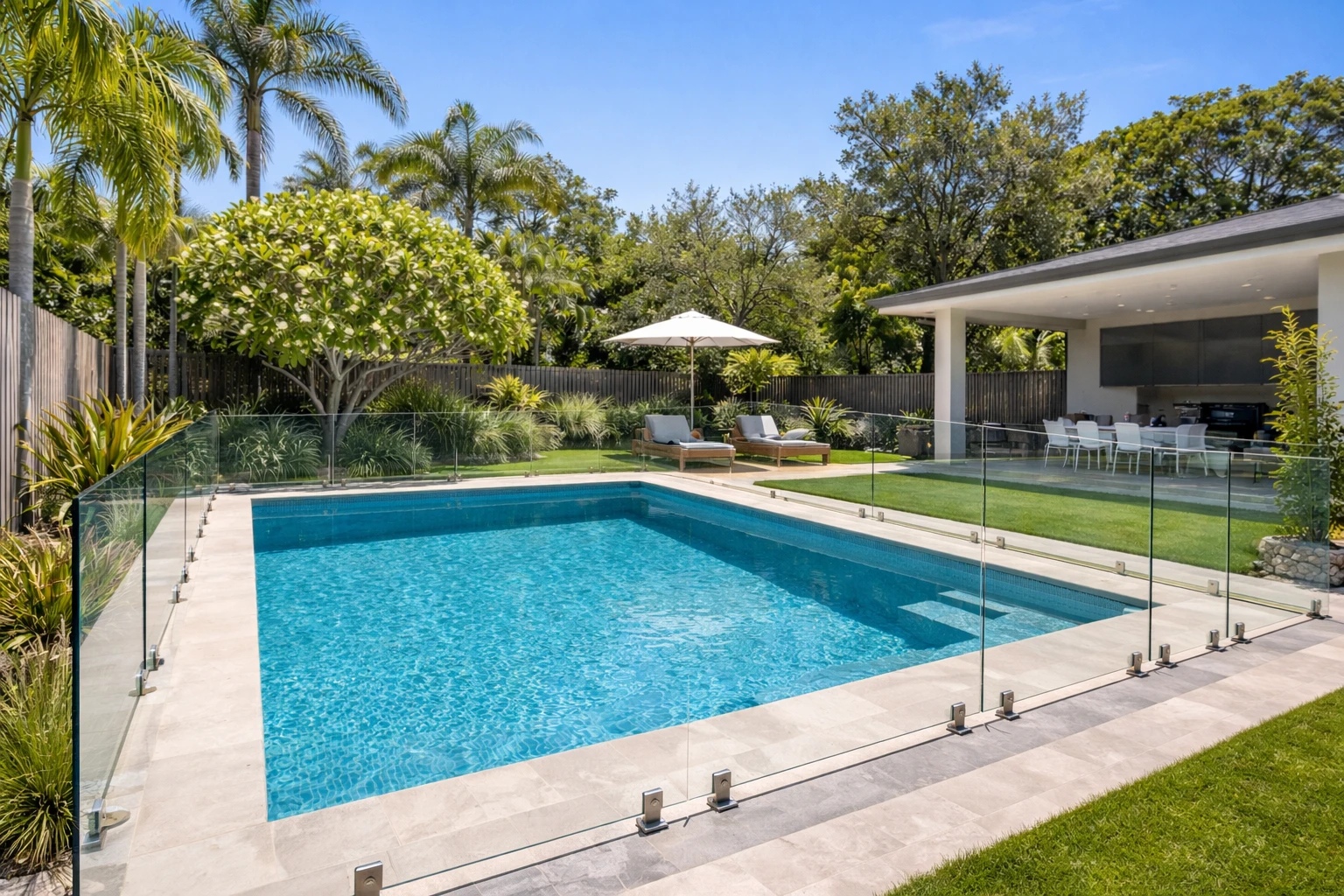
Frameless glass fencing has shifted from being a high-end upgrade to a mainstream choice for Australian homes. Homeowners are investing more in outdoor living, and they want fencing that feels like part of the landscape rather than something that interrupts it.
Frameless glass pool fencing is designed to create a clear boundary without closing off the space. You still get full safety protection around the pool, but visually, the yard feels open and modern.
Traditional pool fences (like aluminium or timber) can feel busy or heavy, especially in smaller backyards. Glass, on the other hand, keeps the view clear, which is a huge advantage if your pool is the centrepiece of your entertaining area.
It’s also a great match for today’s popular backyard styles, including:
One of the most underrated benefits of frameless glass fencing is visibility. You can see into the pool area from the house, patio, or kitchen window without looking through bars or panels. For families, this is important because it reduces blind spots and makes casual supervision much easier.
We often tell homeowners that frameless glass doesn’t just look good; it supports safer pool monitoring as part of everyday life.
Over the last few years, we’ve noticed a strong move towards clean outdoor layouts where everything looks intentional and coordinated. Frameless fencing fits perfectly into that trend because it doesn’t compete with landscaping.
Some common design requests we get include:
No two properties in Newcastle are the same. You’ll find everything from flat blocks near the CBD to sloped yards in hillside suburbs and coastal homes that take a beating from wind and salt air. That’s why custom planning matters with frameless fencing.
This is especially true for glass pool fencing in Newcastle, where many homes are designed with outdoor entertaining in mind and fencing needs to work with decks, retaining walls and landscaping.
Sloped blocks are common in parts of Lake Macquarie and Newcastle. A frameless system can absolutely work on uneven terrain, but the layout must be measured carefully.
Poor planning can result in:
When it’s done properly, frameless fencing can follow a slope cleanly without looking patchy or improvised.
Many homeowners don’t realise how much the small details matter. Hardware finishes can completely change the look of the fence.
We often help homeowners choose fittings that match existing outdoor elements, such as:
Good hardware selection makes the fence feel integrated into the property, not like a separate add-on.
A pool gate isn’t something you want to “deal with”; it should work naturally as part of your backyard movement.
When we plan gate location, we consider:
It’s a small detail, but gate placement can heavily impact both safety and day-to-day convenience.
Frameless glass fencing looks simple once installed, but compliance and safety sit behind every decision. The glass type, fixing method, gate hardware and spacing all need to be correct.
If there’s one thing we see regularly, it’s homeowners assuming a fence is “fine” because it looks good. In reality, compliance issues often come from small details.
The glass used for pool fencing must be safety rated. But homeowners still ask us a very fair question: what’s the difference between laminated and tempered glass, and which one should I choose?
Tempered glass is heat-treated so it’s far stronger than regular glass. It’s the most common choice for frameless pool fencing systems.
If it breaks, it tends to shatter into small blunt pieces rather than sharp shards. This reduces injury risk.
Tempered glass is ideal for:
Laminated glass is made with two layers of glass bonded with an internal interlayer. This interlayer helps keep the glass held together even if it cracks.
That makes laminated glass a popular upgrade for:
Both options can be compliant, and both can be excellent. In simple terms:
The best choice depends on your exposure, layout and how the pool area is used.
NSW pool fence regulations are designed to protect children and prevent accidents. Compliance isn’t optional, and it’s not just about installing a fence. It’s about meeting the full set of requirements around height, access control and climb prevention.
Pool fences must meet minimum height requirements (often at least 1.2 metres), but the fence must also have a non-climbable zone.
This is where many homeowners unknowingly run into trouble.
We often see compliance issues caused by everyday items placed too close to the fence, like:
It doesn’t take much for something to become a step.
If there’s one area that causes the most compliance headaches, it’s the gate.
Pool gates must be:
Over time, gates can shift due to:
A gate might still “close”, but if it doesn’t latch every time, it becomes a safety risk and can fail compliance.
With frameless systems, spacing is critical. Poor measuring or rushed installation can lead to:
This is why professional installation makes such a difference. A compliant fence should stay compliant long-term, not only on day one.
Glass itself is durable, but the real long-term performance comes down to the hardware and how well the system handles Newcastle’s coastal and suburban conditions.
Salt spray, wind and sun exposure can accelerate wear if the fence isn’t cared for properly.
Frameless fences are low maintenance compared to painted or rust-prone materials, but they still benefit from simple upkeep.
To keep panels clear and streak-free:
Avoid abrasive pads or harsh chemicals, which can damage the surface and leave the glass looking dull over time.
In our region, the hardware is where most wear occurs.
Simple maintenance makes a big difference:
If you ever notice stiffness in the latch or a change in how the gate swings, it’s best to address it early before it becomes a compliance issue.
One practical habit we recommend is testing the gate monthly:
It takes seconds, and it’s one of the best ways to stay compliant and keep your pool area safe.
Coastal environments can be harsh on outdoor fixtures. In Newcastle, even homes that aren’t directly beachfront can experience salt exposure depending on wind direction and suburb location.
Salt air can cause staining and corrosion on fittings over time. Choosing good-quality hardware helps, but maintenance matters just as much.
Regular rinsing with fresh water is often enough to significantly reduce long-term damage.
Wind can place extra pressure on hinges and gates. This is why correct hinge selection and installation are essential. A well-installed gate should close smoothly and latch reliably even after windy weather.
Sand can build up around latches and hinges, particularly if you have a deck or paved surface that collects grit.
If your gate starts to feel stiff or noisy, a rinse and light clean around moving parts usually prevents bigger problems later.
Mineral build-up from rain or pool splash can create water spots. Regular quick rinses help prevent this, and occasional deeper cleaning keeps the panels looking “new”.
Frameless glass pool fencing continues to set the benchmark for modern outdoor design in Australia. It provides a clean, premium look while still meeting strict safety expectations when installed and maintained correctly. With the right glass type, compliant gate setup and simple upkeep, homeowners can enjoy a fence that stays safe and looks fantastic for years.
At Lake Macquarie Fencing, we’re proud to help Newcastle homeowners create pool fencing solutions that suit the local lifestyle and deliver lasting safety, compliance and visual appeal.