


What to Know Before Installing Glass Pool Fencing
April 28, 2026

When planning glass pool fencing in Newcastle, the initial vision often centres on clear views, sparkling water and a sleek modern finish that enhances the entire outdoor area. However, beyond appearance, performance around water, compliance with NSW safety regulations and everyday functionality all have a role. Early decisions directly influence safety outcomes, long-term maintenance demands and the overall value of the property.
Lake Macquarie Fencing discusses the key considerations before installation. Local coastal and lakeside conditions can affect material selection, fixings and maintenance schedules. By the end, there is a clear understanding of how to compare quotes beyond price and determine whether glass pool fencing is the right solution for the property.
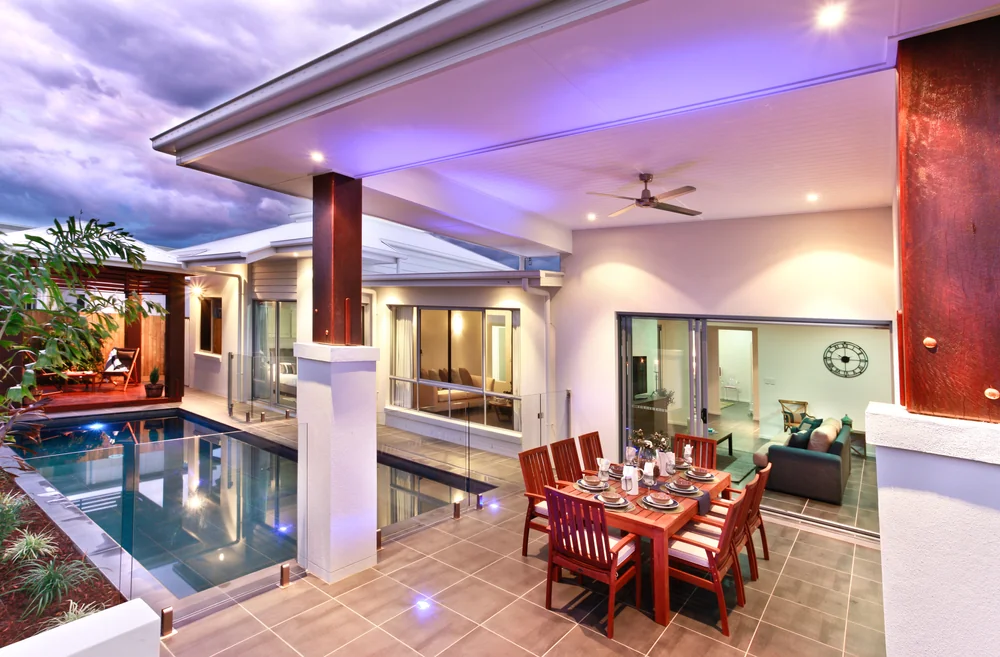
Choosing between frameless and semi-frameless glass pool fencing affects not only the look of a pool area but also budget, maintenance and how the fence performs in local conditions. Both options can comply with pool safety standards if designed and installed correctly, yet they differ in structure, cost and the way they handle wind and movement around the lake.
The decision should balance visual impact with practical considerations, such as exposure to lake breezes, salt in the air, space around the pool and how much cleaning and hardware maintenance is acceptable over time.
Frameless glass uses thick, toughened glass panels supported by small stainless steel spigots fixed into concrete or a suitable structural base. There are no vertical posts between panels, creating an almost uninterrupted view across the pool and towards the water.
This style suits properties that prioritise a luxury minimalist look or where the view is a key feature. Frameless systems usually use thicker glass, which adds weight and stability. They can feel very solid underhand when properly fixed into a strong footing.
Frameless pool fencing typically comes with higher supply and installation costs. More precise groundwork is needed because the strength of the fence depends heavily on the quality of the spigot fixings and the slab or footings below. Cleaning is straightforward because there are fewer posts and edges to work around, although glass will still show water spots and fingerprints.
This design often costs less than a full frameless design and can be more forgiving where the concrete or paving is not perfectly level. The posts provide added rigidity, which can be reassuring in high-traffic family pools or in areas where people are likely to lean on the fence. Visually, there is more metal in view, although slimline aluminium or stainless posts can still look modern and light. Semi-frameless can suit properties where a subtle frame around the pool helps visually separate the pool zone from other outdoor areas.
An effective glass pool fence must do more than meet code. The layout needs to make the pool safe, easy to use and visually connected to the home and outdoor entertaining areas. Getting the lines, gate locations and clearances right at the design stage avoids costly changes after installation.
The layout also needs to respond to sloping terrain, prevailing lake breezes and views that many owners want to preserve. Careful planning of panel placement, heights and fixing methods helps the fence sit neatly over existing paving, decks or lawns without awkward gaps.
The layout starts with the legal no‑go zones around the pool. The fence must be a minimum distance from the water edge and must fully enclose the pool without using boundary structures like walls or sheds as climbable elements.
Clear non‑climb zones are critical. The layout should ensure a 900 mm non‑climbable zone on the outside of the fence so garden beds, retaining walls, furniture and steps are not positioned close enough to create a foothold. Where existing features are too close to the fence line may need to shift inward, or those elements must be removed or modified.
Panel joins and corners should be planned so vertical lines are maintained without steps that could create small ledges. On slopes, the layout may need to “step” the fence between panels rather than angle them excessively, which can compromise appearance and clearances.
Gate location is one of the most important layout decisions. A gate should provide the most direct line of sight from the main living or entertaining area to children using the pool. That usually means positioning it opposite a key sliding door, alfresco area or kitchen window rather than around a blind corner. Traffic flow is another factor. The layout should avoid forcing people to walk across wet grass or around obstacles to reach the pool. Wherever possible, the gate should open onto a hard surface such as paving or decking with good drainage.
In terms of safety, the gate must swing outwards away from the water and close automatically from any open position. The layout should provide enough room outside the gate so it can open fully without hitting retaining walls, furniture or the house. If the site is narrow, a narrower gate panel may be needed to prevent clash points with walls or posts.
Glass fencing is often chosen to keep lake or garden views open, so the fence line should be arranged to minimise visual clutter. Long straight runs generally look cleaner than multiple small angles. Where a change of direction is unavoidable, larger corner angles tend to be less noticeable than tight zigzags.
Panel width is another design tool. Wider panels create fewer vertical lines, which suits open outlooks over the backyard. Narrower panels can work better around curves, raised spas or tight spaces. The fixing system also affects the look. Spigot‑mounted panels on paving appear lighter and more open, while channel-set glass along a tiled edge can create a minimalist straight line.
Landscaping plans need to be considered before finalising the fence layout. Plants that will grow tall or dense should be kept clear of the non‑climb zone and placed so they do not block supervision of the pool. The layout can be adjusted slightly to frame garden beds or existing trees so the fence feels integrated with the outdoor space rather than cutting across it awkwardly.
Glass pool fencing is subject to strict safety rules that dictate height, gaps, gate operation and climbable objects near the barrier. Understanding these requirements before installing a fence avoids failed inspections, delays and costly rework. The legal focus is simple: a compliant barrier that reliably prevents unsupervised access to the pool by young children.
The relevant rules are set out in the Swimming Pools Act 1992, Swimming Pools Regulation 2018 and the Australian standards referenced by these laws. Local councils enforce these requirements through approvals, inspections and pool registration.
Current safety rules for new or substantially modified pools refer to AS 1926.1 for barriers. For frameless or semi-frameless glass fencing, this means:
Tempered or toughened safety glass is mandatory. Panels must meet the relevant glass standard for impact resistance and be stamped accordingly. Spigots, posts and fixings must be corrosion-resistant to suit coastal and lakeside conditions common in the Lake Macquarie area.
Compliance is not limited to the glass fence itself. The law also controls what can be placed near the fence that might create a climbing risk. For most new pools, a non-climbable zone of 900 mm is required on the outside of the barrier. Within this zone, there must be no footholds or handholds such as:
Ground levels are critical. Adding decking pavers or garden beds after installation can reduce the effective height of the glass panel below 1200 mm. Any change in landscaping, hard surfaces or structures close to the fence should be checked against the rules.
Most new pools and barrier installations near Lake Macquarie require council approval through a development application or complying development pathway. Plans must show fence lines, gate locations, heights and any adjoining structures so assessors can confirm compliance with the standards.
Once built, the pool and barrier must be inspected and the pool registered on the NSW Swimming Pool Register. Periodic inspections may occur, particularly for properties that are rented or sold. Fines or compliance notices can be issued if a glass fence is damaged, not maintained or altered in a way that no longer meets the standard. Regular checks of the gate operation panel condition and the surrounding areas are therefore essential for both safety and legal compliance.
Installation cost for glass pool fencing is driven less by the panels themselves and more by what is happening on site. The easier it is to anchor the fence securely and comply with NSW pool safety regulations, the more predictable and affordable the project tends to be. Once ground conditions and layout start to complicate the work, labour time and specialised hardware increase.
Understanding these factors before requesting quotes helps set realistic expectations and avoid budget shocks once installers inspect the property. The points below are the main reasons two similarly sized pools in Lake Macquarie can have very different installation prices.
Costs rise once the base is less stable. Pavers often need to be lifted and reinstalled with concrete footing pads beneath each spigot. Timber decking typically requires structural checks and extra steel or timber framing under each fixing point so the glass has a secure anchor. Lawn or garden areas usually need concrete strip footings or individual concrete pads, adding excavation and curing time.
Sloping or uneven areas around the pool also add complexity. Levelling the line of the fence may involve stepped sections, additional posts or custom spigot heights. All of this extends installation time and can require more expensive fittings.
More complex layouts increase the number of panel cuts and fittings required. A simple straight run with standard height panels is cheaper to install than a fence that wraps around curves, incorporates multiple corners or works around built-in features.
Every change of direction or level typically means additional spigots or posts and sometimes custom-cut glass. Custom glass sizes cost more than standard panels, both to produce and to install, because they leave less margin for adjustment on site.
Compliance with NSW pool safety standards also affects layout. The installer may need to adjust the fence line to achieve required clearances from climbable objects such as boundary fences, planter boxes or windowsills. In some cases, this triggers extra panels or a larger total fenced area, increasing materials and installation labour.
Glass pool fencing is relatively low maintenance compared with many other materials, but it is not maintenance-free. Understanding how often it needs attention, what products to use and what to avoid helps keep the fence clear, safe and compliant over the long term.
Lakefront and coastal conditions around Lake Macquarie can accelerate salt and mineral buildup on glass and hardware. Factoring local conditions into a realistic cleaning schedule before installation helps avoid disappointment later and protects the investment.
In most suburban backyards away from direct salt exposure, glass panels generally need a basic clean every 4 to 8 weeks. Near the lake or in areas exposed to sea breezes, more frequent cleaning is sensible, typically every 2 to 4 weeks, to remove salt film before it etches the surface.
Heavier use also increases cleaning needs. Pools used daily by children or pets produce more splashing sunscreen and water spots. In these settings, plan for brief touch-up cleans of heavily splashed panels as needed and a full fence clean at least monthly during peak swimming season.
For regular cleaning, a soft approach is both effective and protective. A simple method is:
1. Rinse panels with clean water to remove loose grit
2. Wash glass with a soft sponge or microfibre cloth and a mild detergent or purpose-made glass cleaner
3. Rinse thoroughly, then squeegee or wipe dry to avoid spotting
Avoid abrasive pads, cream cleansers, scouring powders and harsh chemicals such as strong acids or alkalis. These can scratch the glass, damage protective coatings or corrode stainless steel spigots and fittings.
Avoiding a few common mistakes before installation can prevent expensive rework, safety issues and council problems. Careful planning of layout compliance and materials is essential for a glass pool fence that is attractive and legal. Overlooking site conditions, drainage and how the fence will be used day to day often leads to short‑lived or non‑compliant installations. Addressing these issues in advance creates a safer and more durable result.
One of the most serious errors is designing the fence without first checking current NSW pool safety regulations and city council requirements. Non‑compliance can lead to failed inspections and costly modifications.
Common regulatory oversights include incorrect fence height, insufficient distance from the water line and climbable features near the barrier. Pool fencing usually has to meet specific height and gap requirements and the gate must be self‑closing and self‑latching with the latch out of reach of small children. Any nearby surfaces, such as garden beds, steps or decorative walls that can be used as footholds, can make an otherwise compliant glass fence fail inspection.
Designing to these standards at the start is far easier than modifying concrete or glass later.
Another common mistake is assuming a level or standard site. Around Lake Macquarie, many blocks slope towards the water or have uneven paving. Glass panels are unforgiving, so inaccurate measurements or uneven foundations quickly become obvious.
Relying on rough measurements instead of precise site checks often results in gaps that are too wide, panels that do not align or the need for excessive packers under spigots. Likewise, installing over cracked, loose or poorly compacted substrates can lead to wobbly panels and premature failure.
Proper preparation should include:
Allow time to repair or improve the base before any glass is ordered or holes are drilled.
Not all glass or hardware is suited to a pool environment, especially near a coastal lake where wind, moisture and salt exposure are common. Selecting products on price alone can be a costly mistake.
Using glass that is not toughened and heat-soaked to meet Australian standards increases the risk of breakage. Inferior stainless steel hardware can pit and corrode quickly, which affects both appearance and safety. Incorrect spigots or fixings for the substrate type can lead to loose panels and movement under load. Check that:
Investing in appropriate materials at the outset reduces maintenance and keeps the fence safe and attractive for longer.
Installing glass pool fencing around a property requires careful alignment between design, compliance and long-term performance. The balance between uninterrupted views and strict adherence to pool safety regulations remains essential, alongside the selection of suitable materials and correct installation methods. Site-specific factors such as wind exposure, salt air and ground conditions also play a role in how the fence performs.
Long-term success depends on thoughtful planning, appropriate hardware and fixing systems and a realistic approach to maintenance. When design, approvals and installation are handled with precision, glass pool fencing delivers not only a compliant safety barrier but also a durable, refined finish that enhances both the pool area and the surrounding landscape for years to come.