


Which Pool Fence Is Cheaper Long Term: Glass or Aluminium?
February 19, 2026

Choosing between aluminium and glass pool fencing in Newcastle is rarely just about appearance. For homeowners, it is also a question of long-term cost, practicality and how well the fence will perform in local conditions. Lake Macquarie Fencing understands that what seems cheaper at installation can become more expensive once maintenance, repairs and replacement are factored in. This article examines how each material behaves over the lifespan of a pool fence in a coastal environment, where salt, air, sun exposure and changing weather can quickly expose weaknesses in products and workmanship.
Readers will learn how initial supply and installation costs compare, how each fence type stands up to corrosion and wear, what typical maintenance really involves and how long each style can be expected to last before major work is needed. The discussion also considers safety compliance, ongoing visual appeal and the impact of repairs or panel replacement on total ownership cost. Homeowners will have a clear understanding of which pool fence is more economical and where it makes sense to invest a little more upfront.
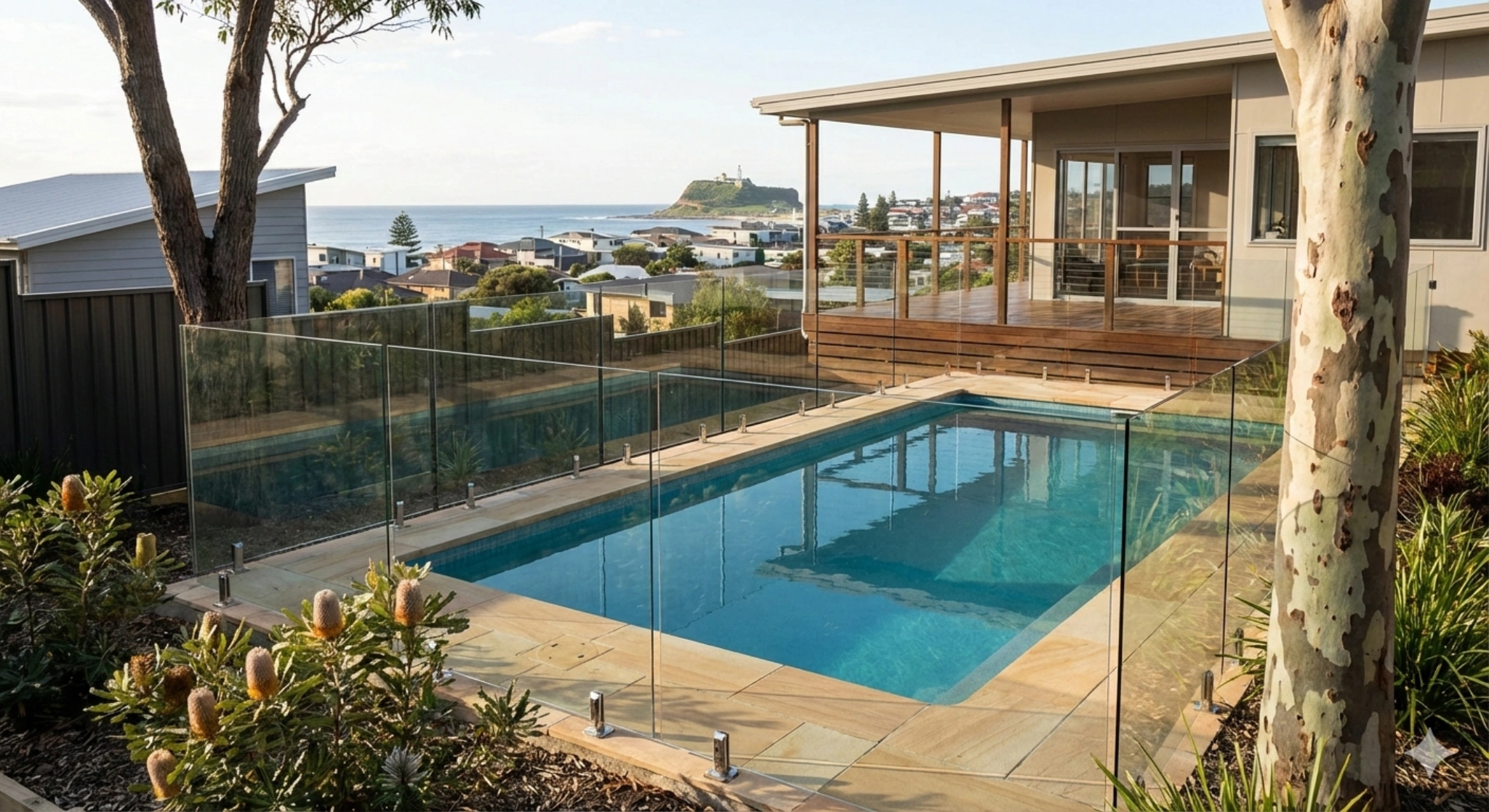
When people ask whether glass or aluminium pool fencing is cheaper long-term, they are asking about far more than the number on the quote. True cost includes every dollar spent over the life of the fence, along with the time and effort required to keep it compliant and presentable.
Fence contractors look at long-term cost as the full picture for a typical 10- to 20-year period in local conditions, including salt air, coastal winds and strong sun. That picture often looks very different from the initial supply and install price.
The upfront cost is only the first layer. For a realistic comparison, pool owners need to consider:
For example, a frameless glass fence usually costs more per metre to buy and install than aluminium, but it may need fewer repairs if installed correctly on quality spigots. Aluminium is usually cheaper to install, especially on sloping or uneven ground, but can require more frequent attention where posts meet soil, paving or garden beds.
Maintenance is often where the real cost difference between glass and aluminium becomes clear. The materials require different levels of cleaning, hardware checks and occasional repairs, and those differences add up over time.
Glass fencing usually involves:
Aluminium fencing usually involves:
If glass needs cleaning weekly, that adds to the cost. If an aluminium fence develops corrosion after years of salt exposure, repainting or partial replacement adds to the bill.
True long-term cost also includes how long each fence type is likely to last before major work is required and what it contributes to property value.
A well-installed glass fence using quality stainless steel hardware can last many years, with the panels themselves often outlasting the fittings. Replacing a few spigots or hinges is usually cheaper than replacing whole runs of fence. Glass can also improve the perceived value of the home, especially where it shows off a lake or pool view.
Aluminium fencing has a solid lifespan too, but in harsh coastal or lakeside locations, cheaper powder coatings and fittings may deteriorate sooner. If sections start to look tired or rusted earlier than expected, the fence may need repainting or progressive replacement, adding to the long-term outlay.
Hidden costs such as call-outs to fix gates that do not self-close, strata or council compliance checks and any work needed to bring an older fence up to current pool safety standards also belong in the long-term cost calculation.
When homeowners compare pool fencing options, the first clear difference is the upfront price. In almost every situation, glass pool fencing costs more to purchase and install than aluminium, sometimes more per metre. However, the exact figure depends on the type of glass or aluminium, site conditions and the level of finish a customer wants.
Below is a practical breakdown of what usually drives the initial cost for each option, so customers can get a realistic idea of what to budget before talking to professional contractors about a quote.
For most standard residential pools, aluminium fencing will be the cheaper upfront option.
In the Lake Macquarie area, typical fully installed price ranges are:
These ranges assume straightforward access and a standard layout. Corners, multiple gates, retaining walls or steps around the pool will increase labour and hardware costs for both materials, but the effect on glass is often more noticeable, as every panel and post must be precisely aligned.
Aluminium pool fencing is more affordable upfront, mainly because the materials are lighter and quicker to work with. Prefabricated panels can be installed efficiently, which keeps labour hours down.
Cost factors include:
For a typical suburban pool, aluminium is often the choice where the main priority is meeting safety requirements at the lowest upfront cost.
Glass fence installations carry higher upfront costs because of the material and the more detailed labour required.
Factors that push glass costs up include:
For those focused on a premium seamless look, glass will nearly always involve a higher initial investment compared to aluminium, even on a simple, straightforward pool layout.
Over the life of a pool fence, the biggest cost difference between glass and aluminium is not the upfront price but how much time and money go into keeping it safe and looking good. For homes exposed to coastal air and backyard splashing, the way each material handles cleaning, corrosion and wear has a real impact on long-term cost.
Both fence types need regular attention to stay compliant with NSW pool safety standards. However, the type of maintenance tools required and the likelihood of repairs are quite different for glass compared with aluminium.
Glass pool fencing shows every water spot, fingerprint and dust mark. Around a pool, this usually means a full clean at least every 2 to 4 weeks in summer and monthly in cooler months. Cleaning is simple but frequent and typically involves:
If the glass is near the ocean or a saltwater pool, the panels may need more regular rinsing to avoid salt build‑up, which can stain the glass edges and stainless hardware.
The Lake Macquarie area is classed as a marine environment, so corrosion resistance is critical.
For glass fencing, the glass itself does not rust, but the metal components can. Quality installations use marine-grade stainless steel fixings and spigots, yet these still need fresh water rinsing to slow tea staining and surface corrosion. If salt build‑up is left too long, some hardware may need professional polishing or replacement.
Aluminium fencing is protected by a durable powder coat finish. When the coating is intact, it resists rust very well, even close to the lake or ocean. Maintenance usually involves:
If the powder coat is cared for, aluminium panels can last decades with minimal extra spend beyond occasional cleaning products and touch‑up paint.
Glass panels are structurally strong but more vulnerable to accidental impact. A fallen garden tool or heavy object can chip or break a panel, which then must be replaced completely. Replacement glass panels and labour can be a high unplanned cost, especially for custom sizes or frameless installations.
Aluminium panels are far more forgiving. They can bend or dent under force yet often remain safe and compliant. A damaged rail or panel is generally cheaper and easier to swap out than a glass panel, and many issues can be fixed without replacing whole sections.
For most homeowners, the fence that works out cheaper long-term is the one that lasts in the local climate with minimal expensive repairs. Both glass and aluminium pool fencing easily meet required safety standards, yet they behave quite differently over a 10- to 20-year period, particularly around chlorinated or saltwater pools.
Understanding how each material copes with corrosion, UV exposure and everyday knocks helps clarify which option is likely to cost more to maintain or replace over time.
Quality frameless or semi-frameless glass panels are made from toughened safety glass that resists scratching and weathering very well. The glass itself does not rust or fade, and in normal conditions, it does not weaken with age.
The main weak points are the hardware that holds the glass. Stainless steel spigots, mini posts and clamps can corrode faster in coastal or saltwater pool environments if the correct grade of stainless steel is not used or if cheaper fittings are installed. Eventually, tea staining and pitting can occur, requiring polishing or replacement of fittings.
When glass does fail, it is usually sudden and caused by impact or movement in the ground. A cracked or shattered panel cannot be repaired and must be replaced. That replacement cost is high because each panel is custom-sized and heavy to transport and install. However, breakage is relatively rare when the fence is designed and installed correctly, and the ground is stable.
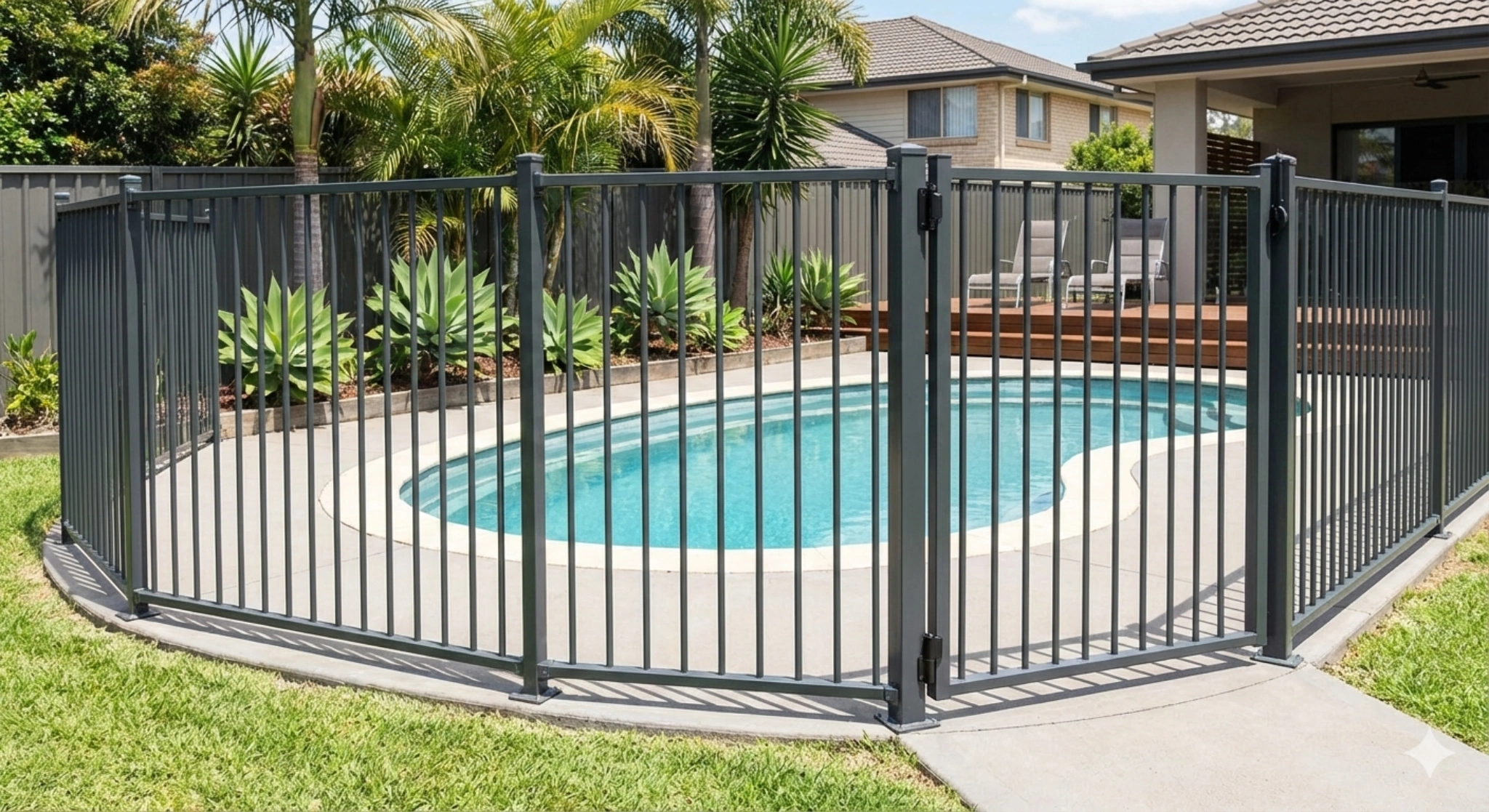
Powder-coated aluminium panels are highly durable around pools. Aluminium does not rust, and quality powder coating resists UV fading and chalking for many years. In coastal conditions, a well-maintained aluminium fence can comfortably last 15 to 25 years.
Over time, some wear is common. Powder coat can chip or scratch from garden tools, furniture or kids’ toys. If bare metal is left exposed near the coast or besides a salt pool, it can oxidise, and the coating may start to peel. Hinges and latches on aluminium gates also cop a lot of use and are more likely to need adjustment or replacement compared with glass gate hardware.
The advantage is that individual aluminium panels are relatively inexpensive and easy to swap out. Minor damage, such as small chips, can often be touched up with matched paint instead of replacing a whole section, helping keep costs down.
From a repair perspective, glass typically involves higher one-off costs but less frequent issues, while aluminium repairs are usually cheaper but may occur more often over time.
If a tree branch falls or a heavy object hits the fence, a damaged aluminium panel usually bends or dents and can be replaced cheaply. A similar impact on glass is more likely to require a full panel replacement, which is more expensive and may take longer to source. Salt exposure is a key factor in coastal suburbs. Glass panels cope well with salt spray, provided the stainless hardware is high-grade and cleaned occasionally. Aluminium performs well too, but the powder coat needs to remain intact and free of long-term salt buildup.
For most properties, aluminium has a slightly lower lifetime repair bill simply because parts are cheaper and easier to replace. Glass often retains a better aesthetic for longer with less visible wear, yet when something goes wrong, the repair typically has a higher one-off cost.
The better long-term value depends less on the upfront cost and more on how the fence suits the property's style, lifestyle and exposure to the elements. Glass and aluminium each prove cheaper in different situations when maintenance, resale appeal and replacement timeframes are all considered.
In practical terms, aluminium usually wins on pure dollars over the years, while glass can deliver better overall value for homes where view design, impact and resale potential matter more than the lowest possible spend. The right choice is the one that matches how the pool and yard are actually used.
Aluminium offers better long-term value. It is harder to mark, less prone to visible fingerprints and more forgiving of scooters, balls and rough play. Posts and rails can dent but are cheap and straightforward to repair or replace locally.
Powder-coated aluminium also suits families who do not want to clean glass every week. A quick hose down and occasional wash usually keeps it looking tidy. Over 10 to 15 years, the minimal maintenance and low risk of breakage often make aluminium the more economical choice, even after allowing for repainting or replacing a panel if it is damaged.
Glass can still work well for family homes, but it is higher touch. Parents need to budget time for regular cleaning and be comfortable with the risk of a panel needing replacement if chipped or cracked.
Frameless or semi-frameless glass usually provides better long-term value despite the higher upfront price. The clear panels protect and showcase the view, which can boost perceived property value and market appeal.
In these settings, aluminium can feel intrusive and visually break up the outlook. If a future buyer is likely to expect a premium finish around the pool, glass can return more of its cost when the home is sold. With quality marine-grade fittings and professional installation, glass can age extremely well, provided hardware is maintained through routine cleaning and occasional lubrication.
For rentals and holiday homes, aluminium almost always offers stronger long-term value. Tenants and guests are less careful than owners, and the owner has less control over cleaning routines. Aluminium fences are more tolerant of neglect and heavy use, reducing emergency call-outs and unplanned replacement costs.
Pool safety compliance is also easier to maintain with aluminium. Panels are lighter, simpler to adjust and cheaper to replace if a certifier requires changes. For an investor looking at total holding costs rather than aesthetics, aluminium fencing is normally the more cost-effective choice over the life of the property.
When long-term cost is assessed realistically, aluminium usually delivers the lowest overall spend for most homes. It is cheaper to install, simpler to maintain and more forgiving of everyday wear.
Glass fencing, however, often delivers stronger visual impact and can enhance resale appeal, particularly for waterfront or view-focused properties. While the upfront investment is higher and maintenance more hands-on, many owners see value in the uninterrupted outlook and premium finish.
The most economical choice is not simply the cheapest quote today. It is the fence that suits your site conditions, lifestyle and exposure to coastal elements, and that you are willing to maintain properly over the years.