


Can I Keep My Paving When Adding a Glass Pool Fence?
October 26, 2026

Your poolside paving might still look good, feel level underfoot and suit the rest of your outdoor area. If a glass pool fence is being considered, replacing a surface that is already in good condition may seem unnecessary. However, whether the paving can stay depends less on its appearance than on the structure beneath it.
An assessment can help Newcastle homeowners determine whether existing paving can be retained, whether selected pieces need to be lifted and how the finished fence will look. Lake Macquarie Fencing can assess the existing pool surround and discuss practical options for installing a glass fence without assuming the entire paved area needs to be replaced.
Existing paving does not automatically provide a suitable base for glass fence fixings. The underlying structure must be assessed to determine whether it can accommodate the proposed support system and its associated loads.
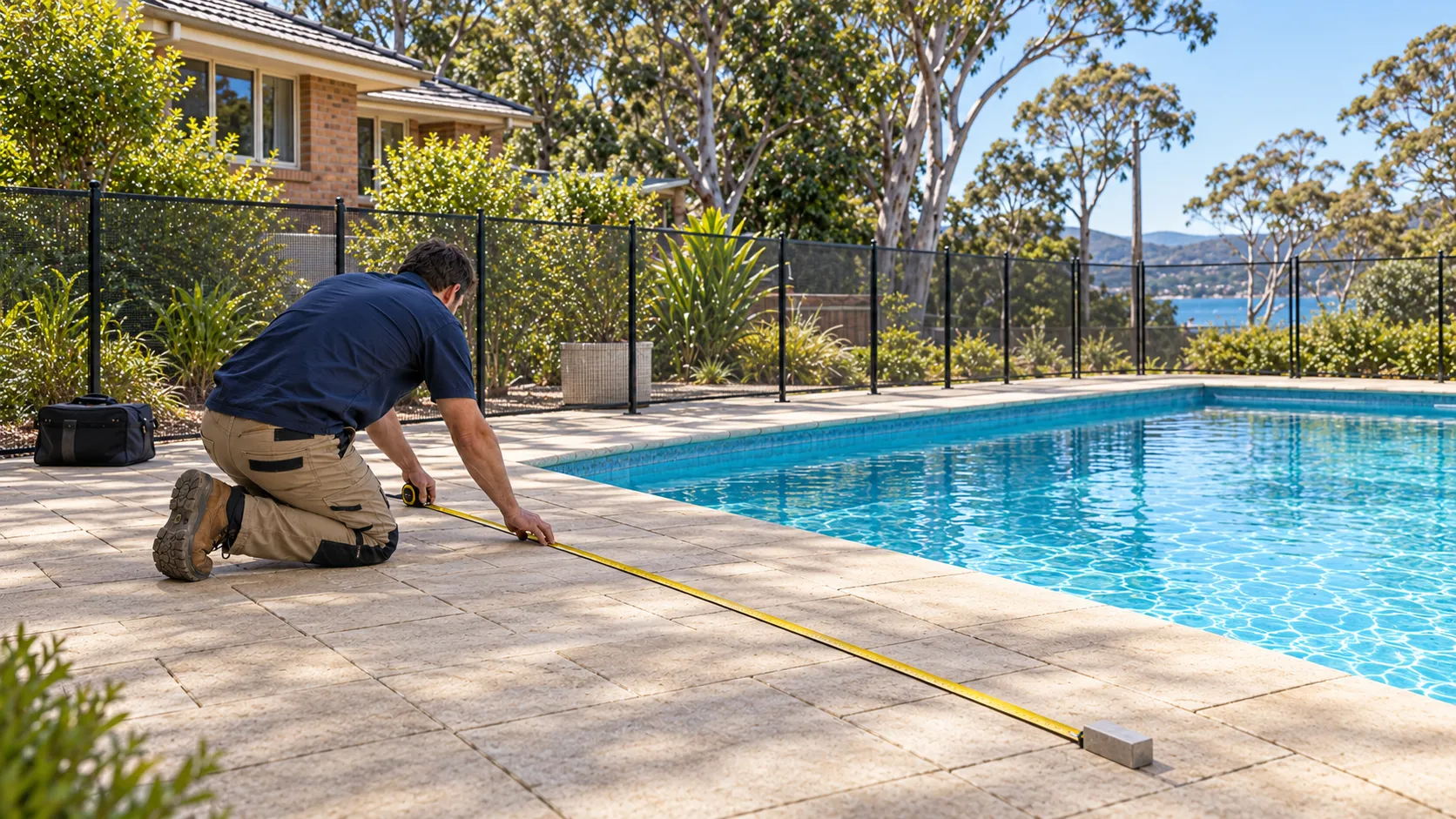
An installer can inspect the visible surface and assess what is known about the construction below it. Where the structure is uncertain or requires specialist assessment, advice from a structural professional may also be necessary. Before confirming the work, it is also worth reviewing the layout, hardware and site preparation considerations involved in planning glass pool fencing.
Pavers and tiles form the walking surface, while the material beneath them provides support. Neither the paving nor its bedding should be assumed to provide a suitable structural fixing base for a glass fence, as the supports must withstand loads beyond ordinary foot traffic.
Two pool surrounds can look almost identical but have different constructions. One may have paving installed over a concrete slab, while another may have individual pavers laid over bedding material without a slab beneath them. Neither arrangement should be considered suitable or unsuitable without assessing the proposed fixing method and existing conditions.
Even where a concrete slab is present, its condition, dimensions and suitability for the supports need to be established. If the existing base cannot accommodate the fence design, a professionally assessed solution may involve localised work beneath the paving.
Retaining the visible paving and leaving the entire underlying construction untouched are separate decisions. Much of the existing surface may be preserved even if selected areas need to be disturbed.
A neat, firm surface can conceal cracks, slab edges, previous repairs or deterioration beneath the paving. These details may affect the proposed fixing locations and the suitability of the underlying structure.
Visible damage can help identify areas that need closer inspection, but appearance alone cannot establish structural condition. A cracked paver does not necessarily mean the base is damaged, just as an unmarked tile does not prove that the underlying slab is suitable.
Photographs and construction records may help an installer understand the existing pool surround, although onsite checks may still be required. Ask which aspects of the base have been confirmed and which remain uncertain before agreeing to the proposed work.
Any necessary investigation or structural work should be carried out by professionals, with licensed trades engaged where required.
Preserving the existing paving does not always mean leaving every piece untouched. Selected pavers or tiles may need to be lifted to inspect the base, provide access for the proposed supports or complete the required installation work.
The extent of this disturbance depends on the existing construction, its condition and the assessed fixing design. Understanding why the surface needs to be disturbed helps homeowners set realistic expectations before work begins.
An installer may need to lift selected pieces where the finished surface prevents adequate inspection of the underlying structure. In other cases, lifting may be necessary to accommodate the proposed support system or complete work beneath the paving.
These are different requirements. Investigative access helps establish the existing conditions, while installation access allows the assessed solution to be carried out. Ask which areas are likely to be affected and whether further investigation may change the scope of work. Where excavation is required beneath the paving, ask how the contractor will approach checking underground services before work begins.
The paving material also influences what can be retained. Individual pavers may be easier to remove and reinstate than tiles bonded to a slab. Age, existing damage and the condition of the bedding can affect whether pieces can be recovered intact, so careful removal cannot guarantee that every piece will survive.
Before installation, discuss the anticipated areas of disturbance and how unexpected findings will be handled. If the underlying construction differs from what was expected, the proposed work and associated costs may need review before additional work proceeds.
Spare pavers from the original installation can be useful if pieces need to be altered or replaced. Their suitability depends on their dimensions, condition and compatibility with the surrounding surface.
Even matching materials may look different once installed besides weathered paving. Sun exposure, staining and general wear can change the appearance of the original surface, while newly sourced materials may vary in colour, texture or finish. An exact visual match should not be assumed.
Discuss replacement options before work begins, particularly if the paving is distinctive or the original material is no longer readily available. Retaining sound original pieces wherever practical may help preserve the overall appearance.
Reinstatement also needs to account for finished levels and the junction between the paving and fence supports. Poorly aligned pieces or uneven surfaces can detract from the result and create trip hazards. Clarify who will handle paving repairs, what reinstatement is included in the quote and how visible cuts or edges will be finished.
Discuss pool fence installation timing with the installer so any paving repairs and changes to finished levels can be coordinated with the fencing work.
The decision involves more than whether the original surface can remain in place. The proposed fence must have suitable structural support and the retained paving needs to look neat and remain safe to walk on after installation.
Explain which features matter most, whether that is the paving colour, pattern or continuity around the pool. This helps the installer consider those preferences with the site’s requirements.
Glass fencing leaves much of the surrounding surface visible, so the junction between the paving and each support deserves attention. Ask what fixing details will be visible and how the paving will meet the completed installation.
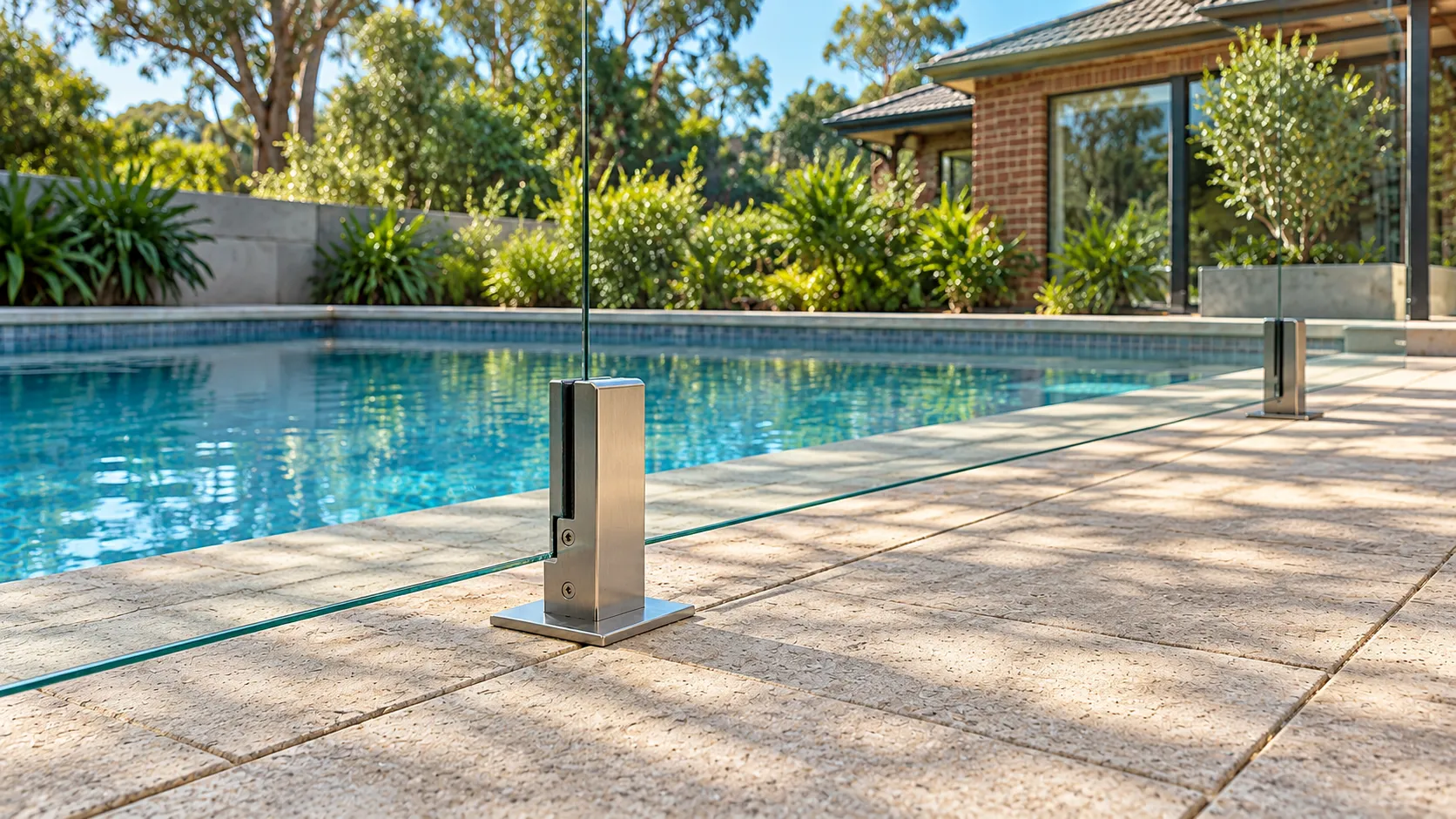
Depending on the assessed design, supports may require alterations to individual paving pieces or work around the existing surface. Cuts, replacement pieces and exposed sections of the underlying base may affect the finished appearance.
Existing patterns can also influence how noticeable an alteration becomes. A cut through a strongly patterned surface may stand out more than one in plain paving, while a replacement piece can look different besides weathered materials even when its dimensions match.
For those considering glass fencing in Newcastle, experts can assess the existing poolside paving and discuss the proposed fence. Point out previous repairs, loose pieces and any known changes in the underlying construction so these can be considered during the assessment.
Keeping every original piece should not compromise the fence's support or leave an uneven, damaged surface. If a specific paver cannot be retained without affecting the proposed fixing arrangement or finished result, localised replacement may be the more practical option.
It helps to distinguish essential preferences from an ideal outcome. Retaining the overall appearance of the pool surround may matter more than saving every individual piece. Discuss these priorities early so the installer can explain what is achievable and where compromises may be necessary.
If the existing paving already has loose, damaged or uneven areas, consider how these will be addressed during the work. Installing a fence will not automatically resolve those problems and the treatment of affected areas should be agreed upon before installation begins.
Before committing to the proposed work, homeowners should clarify the following points with the installer:
Clear answers help homeowners understand the likely scope of work, the areas that remain uncertain and the responsibilities of everyone involved.
Existing poolside paving may be retained when installing a glass fence, but the outcome depends on the condition and suitability of the underlying structure, the proposed fixing system and the amount of disturbance required. A surface that looks sound is a useful starting point, not proof that the fence can be installed without further investigation.
For homeowners, assessing the fixing base early can help identify practical ways to preserve the original paving while allowing necessary structural work and careful reinstatement. Lake Macquarie Fencing can discuss the existing pool surround, explain the likely installation requirements and help establish a realistic scope of work before the project proceeds.