


Do You Need Council Approval for a Fence in NSW?
September 22, 2026

Installing a new fence involves more than choosing a material and style. Before construction begins, property owners need to know whether council approval is required and which height, location and design rules apply to the property. Failing to meet these requirements can result in compliance issues, costly changes or disputes with neighbours.
For anyone considering fencing in Newcastle, checking the relevant planning requirements can make the process easier to manage. Lake Macquarie Fencing provides fencing solutions for local properties while helping homeowners consider practical factors such as boundary locations, site conditions and fence design.
The requirements cover when fences can be built without council approval, when additional approval may be needed and how different factors can affect a fencing project. They also highlight what to check before construction so the finished fence meets the requirements that apply to the property.
Some residential fences can be built without a development application when they meet the requirements for exempt development. Whether an exemption applies depends on factors like the fence's height, location, construction and the planning controls affecting the property. Local requirements may also need to be considered.
The NSW exempt development standards for fences outline the general height, location, material and design requirements that apply across different land-use zones.
For a typical residential property, a standard side or rear boundary fence may qualify for an exemption when it remains within the applicable height and other development standards. Front fences have more restrictive requirements, where the fence faces a public road or could affect visibility.
Common requirements for exempt residential fencing can include:
Materials such as timber and Colorbond can be used for residential fencing, provided the overall design meets the applicable requirements. A fence that exceeds the relevant height limits or includes additional structures may require a different approval pathway.
Materials such as timber and Colorbond fencing can be used for residential properties, provided the overall design meets the applicable requirements.
Importantly, being exempt from development approval does not mean that no other requirements apply. Pool barriers, boundary issues, private title restrictions and site-specific planning controls may still need to be considered before construction.
Fence height and location are two of the main factors that determine whether a fence can be built without approval in NSW. The applicable limits can vary depending on the property, its zoning and local planning controls, so standard height figures should be treated as general guidance rather than automatic allowances.
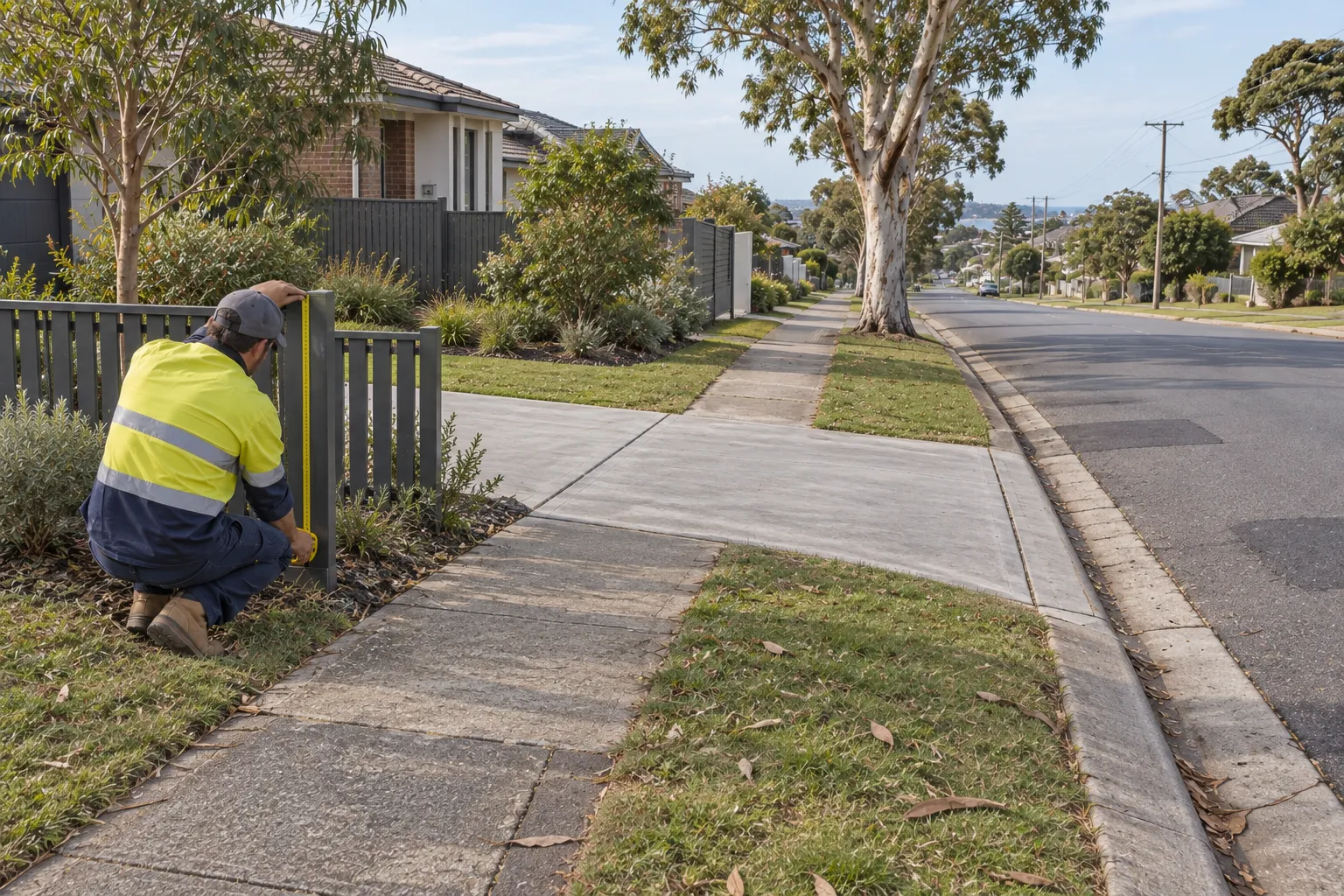
For many residential properties, typical benchmarks could be:
The position of the fence can also affect what is permitted. Front boundaries, corner blocks and areas near driveways require attention because fencing must not create unsafe sightlines for vehicles or pedestrians. A high or solid fence may need to be reduced or designed with more open sections where visibility is important.
Fence height should also be assessed carefully on sloping properties. The way height is measured can affect whether a proposed fence remains within the applicable limit, while lattice, privacy screens or other additions may form part of the overall height.
Yes. Boundary fences can involve additional considerations because they sit on or near the dividing line between two properties. In NSW, the Dividing Fences Act 1991 provides a framework for dividing fences and how neighbours can share responsibility for reasonable fencing work. However, a boundary fence must still meet the planning and development requirements that apply to the property.
Where a fence is being built or replaced on a shared boundary, neighbours should agree on the proposed location, height, materials and cost before work begins. A neighbour's agreement does not replace council approval where approval is required and a more expensive or elaborate fence does not automatically mean the adjoining owner must contribute equally.
Property owners can also read our guide explaining who pays for a boundary fence in NSW, including how sufficient fencing standards and optional upgrades can affect each neighbour’s contribution.
The actual property boundary should also be confirmed before construction. If there is uncertainty about its location, the title, deposited plan or a registered surveyor can help establish the legal boundary. This can reduce the risk of a fence being installed on the wrong property or creating a dispute after construction.
A neighbour's permission is not always required to build or replace a fence, but communication with the adjoining owner is important when the fence is on a shared boundary.
Before construction starts, adjoining owners should ideally agree on the fence's location, height, materials, design and proposed costs. If one owner wants a more expensive or elaborate fence than what would ordinarily be considered a sufficient dividing fence, the additional cost may not automatically be shared by the neighbour.
If an agreement cannot be reached, the Dividing Fences Act 1991 provides processes for resolving fencing disputes. Neighbour agreement and council approval are separate matters, so agreeing on a fence does not remove any planning requirements that may apply. Confirming the relevant requirements before work begins can help avoid disputes and unexpected costs.
Some residential fences can be built without a development application when they meet the requirements for exempt development. The exemption depends on factors like height, location, design and the planning controls affecting the property, rather than the fence material alone.
Standard side and rear boundary fences can commonly qualify as exempt development when they remain within the applicable height and other requirements. Timber, Colorbond and similar residential fencing materials may be suitable where the proposed fence meets the relevant standards.
Low front fences may also qualify for an exemption when they meet the applicable height, location and visibility requirements. Corner blocks and fences near driveways may have additional restrictions where sightlines could be affected.
Fences located entirely within a property may be exempt where they meet the relevant height and location requirements. Privacy screens and fencing connected to decks or patios may be subject to different planning provisions depending on their size and position.
Pool barriers are subject to separate safety requirements. A pool fence may not require development approval when it satisfies the applicable planning and pool safety requirements, but its height, gates, openings and overall configuration must comply with the relevant requirements.
Our guide to Newcastle pool fencing laws and compliance requirements provides further information about barrier heights, gates, non-climbable zones and common inspection issues.
A fence is only exempt from development approval when all applicable requirements are satisfied. Properties affected by heritage, bushfire, environmental or other site-specific controls may need additional checks before construction.
Council approval may be required when a proposed fence does not meet the requirements for exempt or complying development. Common triggers include the fence's height, location, design or the planning controls that apply to the property.
Approval or further assessment may be needed when:
Higher acoustic or security fences and fencing associated with commercial or industrial properties may also require additional assessment depending on their design and location. The exact requirements vary between properties, so homeowners should check the planning controls and relevant requirements before construction.
Where approval is required, building the fence first can result in compliance action and additional costs if the finished structure does not meet the applicable requirements. Confirming the approval pathway before work begins can help avoid these problems.
Yes. Heritage, bushfire and environmental controls can affect whether a fence qualifies for exempt development in NSW. These controls may place additional requirements on the fence's height, materials, design or location, even where the proposed fence would normally meet standard residential requirements.
Checking the applicable planning controls and property-specific overlays before construction can help confirm whether additional approval or design requirements apply.
Heritage-listed properties and heritage conservation areas may have additional controls over fence height, materials, colours and style. A replacement fence may also require further assessment where heritage provisions apply.
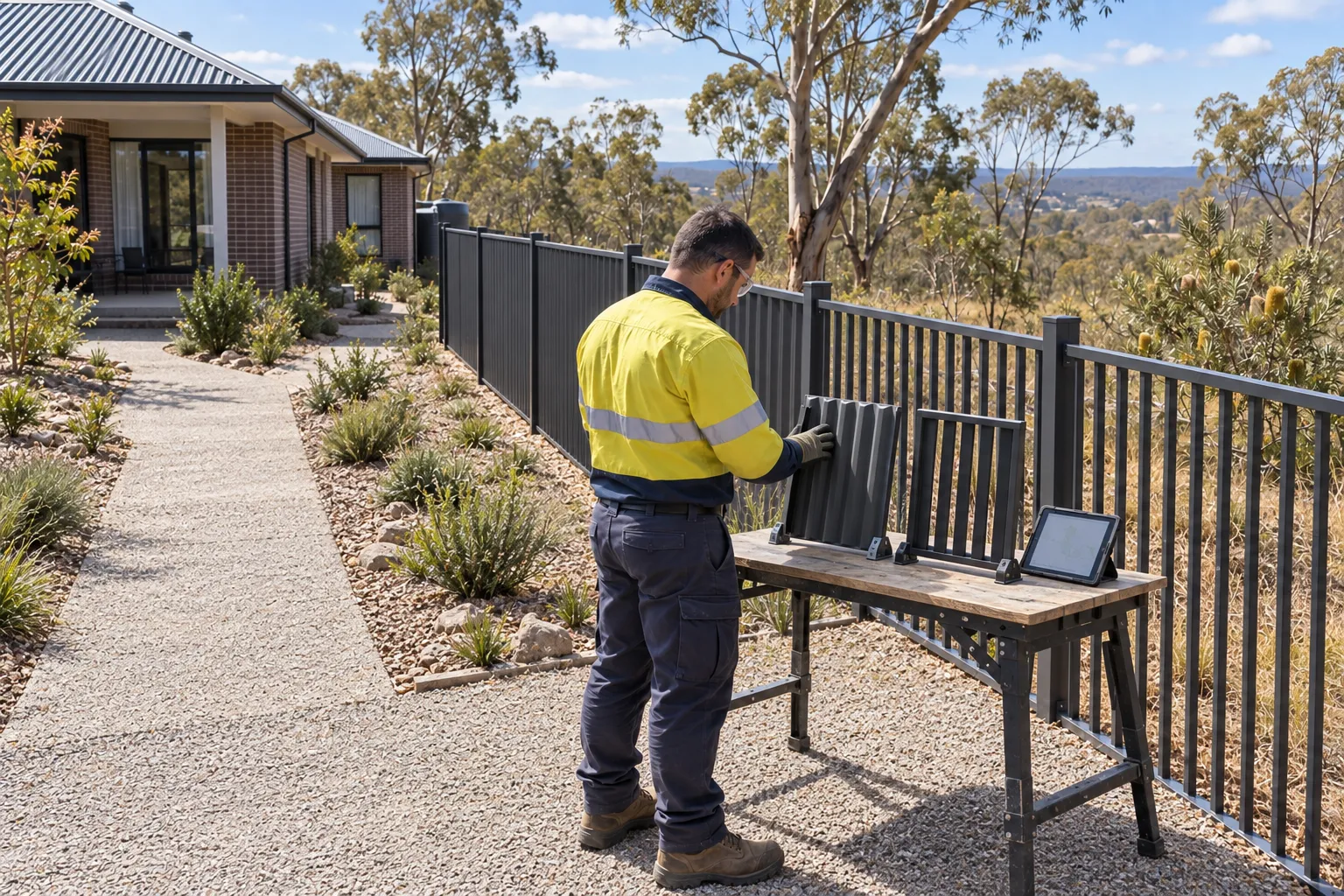
Bushfire-prone land can affect the materials and design used for fencing, where the fence is close to buildings or areas subject to bushfire protection requirements. The property's bushfire controls should be checked before finalising the design.
Homeowners should check the applicable bush fire prone land requirements before selecting fencing materials or finalising a design near a dwelling.
Fences near waterways, foreshore areas, environmentally sensitive land or protected vegetation may be subject to additional restrictions. These controls can affect where a fence can be installed and what type of structure is permitted.
An overlay does not necessarily prevent a fence from being built, but it can change the requirements that apply. Homeowners should check council's planning information and property mapping before construction to determine whether the proposed fence qualifies as exempt development or requires further approval.
Building a fence without the required approval can create compliance and financial problems if the fence does not qualify as exempt development. Depending on the circumstances, the potential consequences could be the following:
Checking whether the proposed fence qualifies as exempt development before construction can help avoid enforcement action, unexpected costs and the need to modify or remove the finished fence.
Fence requirements can vary between properties, so checking the rules for the specific site is important before construction. The main sources to check are NSW planning requirements, Lake Macquarie City Council controls and any private restrictions recorded on the property title.
If the requirements are unclear, confirming the proposed fence before construction can help establish whether approval is needed. Checking these sources early can also identify restrictions that may affect the fence design before materials are ordered or installation begins.
A professional fence installer can help ensure the fence suits the property's conditions and is installed correctly. Factors such as sloping ground, difficult access, existing structures, drainage and boundary locations can affect the design and installation method, particularly on properties with uneven or challenging sites.
Professional installation can also help reduce common problems such as incorrect post placement, uneven panels, unstable footings and poorly aligned gates. Where the proposed fence has unusual features or is affected by a boundary, corner location, pool or other site-specific issue, an experienced installer can help identify matters that may need to be checked before construction.
Using a professional installer can therefore make the fencing process easier to manage from site assessment through to completion. Planning, boundary and neighbour requirements should still be confirmed separately where applicable, helping reduce the risk of costly changes after installation.
Whether a fence needs council approval in NSW depends on the property's specific requirements, including its height, location, design and any applicable planning controls. While many standard residential boundary fences can qualify as exempt development, different factors may require additional checks or approval.
Checking the NSW Planning Portal, Lake Macquarie City Council requirements and any relevant title restrictions before construction can help avoid compliance issues and neighbour disputes. Lake Macquarie Fencing can assist with planning and installing fencing that suits the property, site conditions and intended use, helping make the process straightforward from the initial design through to completion.